
Favorite Fire Restoration Equipment For Safe And Efficient Repairs
Explore trusted equipment options that help ensure safe, quick, and reliable fire damage repairs.
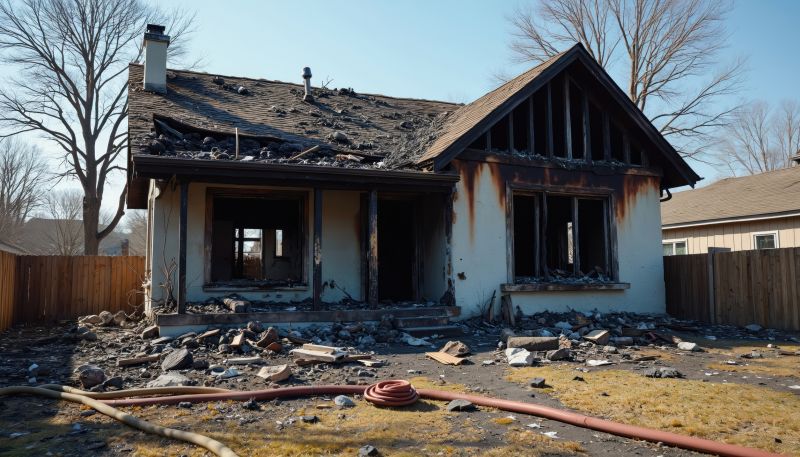 Fire restoration products are essential tools and materials used to address the aftermath of fire damage in residential and commercial properties. These products help mitigate smoke and soot residues, prevent further structural deterioration, and restore the affected areas to a safe and habitable condition. Proper selection of fire restoration supplies can significantly influence the efficiency and effectiveness of the cleanup process. From cleaning agents to structural repair materials, a wide range of products is available to meet the diverse needs of fire damage recovery.
Top Overall Option
Multi-Purpose Fire Damage Restoration Kit
A comprehensive fire restoration kit that includes cleaning agents, odor neutralizers, protective gear, and basic repair supplies. Designed to cover a wide range of restoration needs, it offers versatility and convenience for professionals and DIY enthusiasts alike.
Types of Products For Fire Restorations
Smoke and Soot Cleaners
Specialized solutions formulated to remove smoke stains and soot residues from various surfaces, including walls, ceilings, and furniture.
Odor Neutralizers
Products designed to eliminate persistent smoke odors from indoor environments, improving air quality after fire damage.
Fire-Resistant Sealants
Sealants used to prevent the spread of smoke and fire, and to protect structural elements from further damage.
Structural Repair Materials
Materials such as fire-resistant drywall, insulation, and framing components used to restore structural integrity.
Air Scrubbers
Equipment that filters airborne particles and smoke contaminants, improving indoor air quality during cleanup.
Personal Protective Equipment
Safety gear including respirators, gloves, and suits to protect workers from hazardous substances during restoration.
Cleaning Cloths and Sponges
Absorbent and durable cloths suitable for cleaning soot and residues from various surfaces.
Dehumidifiers
Equipment used to control moisture levels and prevent mold growth after fire damage cleanup.
Fire-Resistant Insulation
Insulation materials designed to withstand high temperatures and prevent fire spread within walls and ceilings.
Chemical Sponges
Specialized sponges that lift soot and smoke residues without smearing or spreading contaminants.
Popular Choices
Gels that absorb and neutralize odors in enclosed spaces, commonly used in fire damage scenarios.
Cloths that attract and trap dust and soot particles effectively during cleanup.
Sealants capable of withstanding high temperatures, used to contain fire damage and prevent further spread.
Compact units suitable for quick deployment in various spaces to improve air quality during restoration.
Powerful cleaning solutions designed to break down tough soot and grease residues.
Pre-fabricated drywall panels made with fire-resistant materials for structural repairs.
Sprays formulated for large-scale odor control in fire-damaged buildings.
Specialized brushes designed to scrub soot from textured surfaces and hard-to-reach areas.
Paints with fire-resistant properties used to coat surfaces and reduce fire hazard.
Devices that help assess moisture levels in walls and floors after fire damage to prevent mold growth.
Fire damage often leaves behind stubborn soot and smoke odors that require specialized cleaning solutions. Chemical cleaners and degreasers designed for fire restoration can break down residues without damaging surfaces. Additionally, odor neutralizers and air scrubbers play a crucial role in improving indoor air quality and eliminating persistent smells. Structural repairs may involve the use of fire-resistant materials, sealants, and insulation to ensure safety and compliance with building codes.
It is also vital to consider safety equipment during fire restoration efforts. Personal protective gear such as respirators, gloves, and protective suits help safeguard workers from harmful particles and chemicals. Proper ventilation equipment is necessary to facilitate safe and effective cleanup, especially in enclosed spaces. Selecting high-quality, reliable products tailored to the specific needs of a fire-affected property can make a significant difference in the restoration process's overall success and safety.
Key Buying Considerations
- Type of surface to be cleaned or repaired, ensuring compatibility with chosen products.
- Severity and extent of fire and smoke damage to determine the scope of necessary products.
- Effectiveness of odor neutralization options for persistent smoke smells.
- Safety features and certifications of protective gear and chemical cleaners.
- Ease of use and application methods suitable for both professionals and DIY users.
- Compatibility of repair materials with existing building structures and materials.
- Ventilation requirements and equipment needed to ensure safe working conditions.
- Durability and fire resistance ratings of structural repair products.
- Environmental conditions such as humidity and temperature that may affect product performance.
- Budget constraints and cost-effectiveness of comprehensive restoration kits versus individual products.
- Availability of replacement parts or refills for ongoing maintenance and restoration.
- Reputation and reviews of product brands for reliability and performance.
- Compliance with local building codes and safety regulations.
- Storage and shelf life of chemical products and protective equipment.
- Training or instructions provided for proper application and safety procedures.