
Optimal Timing for Fire Restorations
Determining the optimal time for fire restorations involves considering seasonal weather patterns, humidity levels, and property conditions. Typically, the most favorable periods are during dry months when moisture levels are lower, reducing the risk of mold growth and further damage. Conducting restorations in the late summer or early fall can minimize disruptions and allow for thorough drying and cleaning processes.
Restorations are often most effective during dry, stable weather to prevent moisture-related issues and ensure proper drying.
Lower humidity levels help reduce mold growth and facilitate faster restoration processes.
Immediate response after a fire is crucial, but scheduling repairs during optimal weather conditions enhances results.
Assessing the extent of damage and moisture levels guides the best timing for comprehensive restoration.
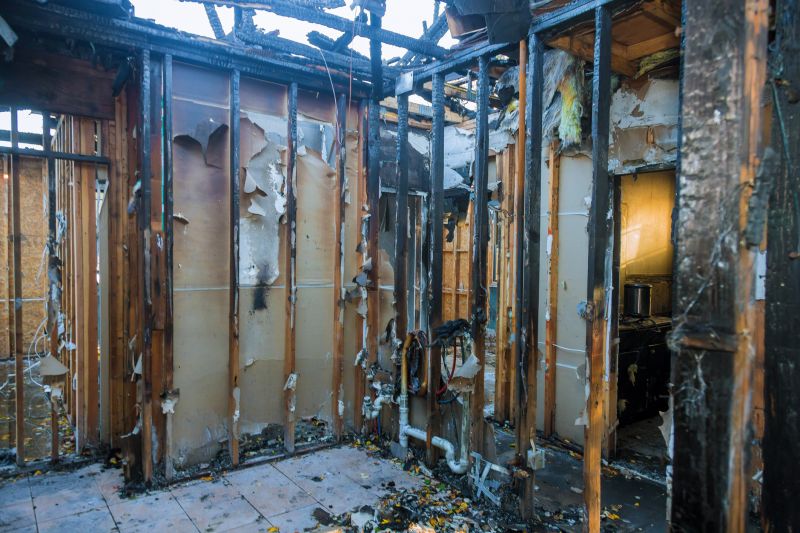
Initial evaluation of fire and smoke damage helps plan the restoration timeline.
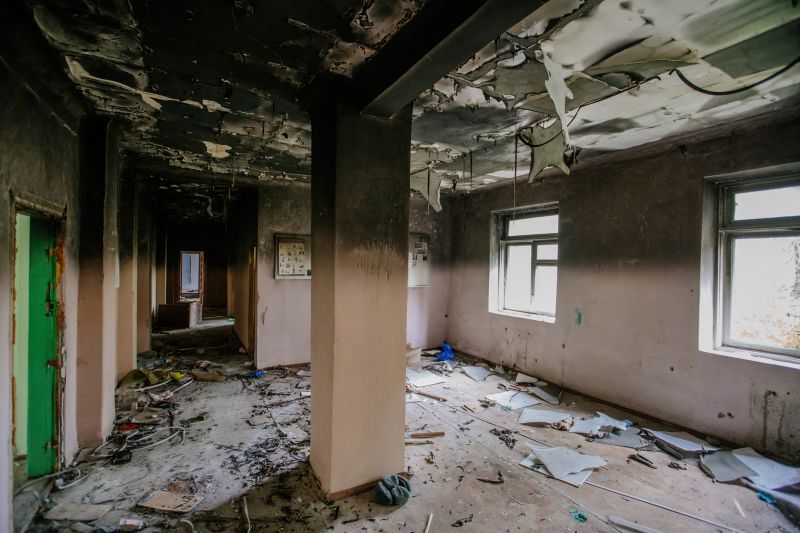
Removing soot and debris is essential before further repairs can begin.
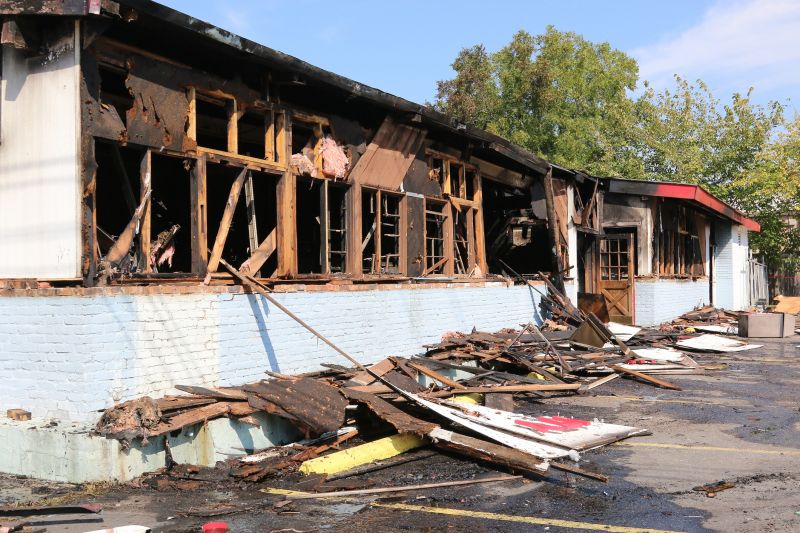
Drying out affected structures prevents mold and further deterioration.
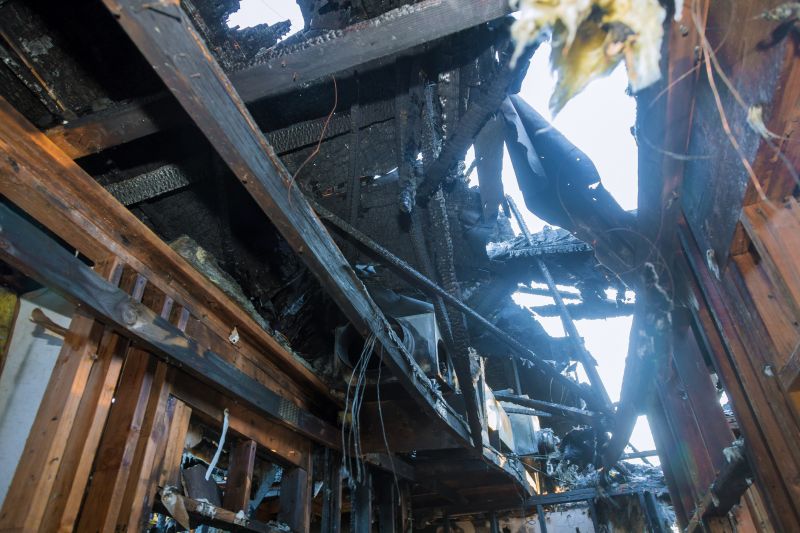
Ways to make Fire Restorations work in tight or awkward layouts.
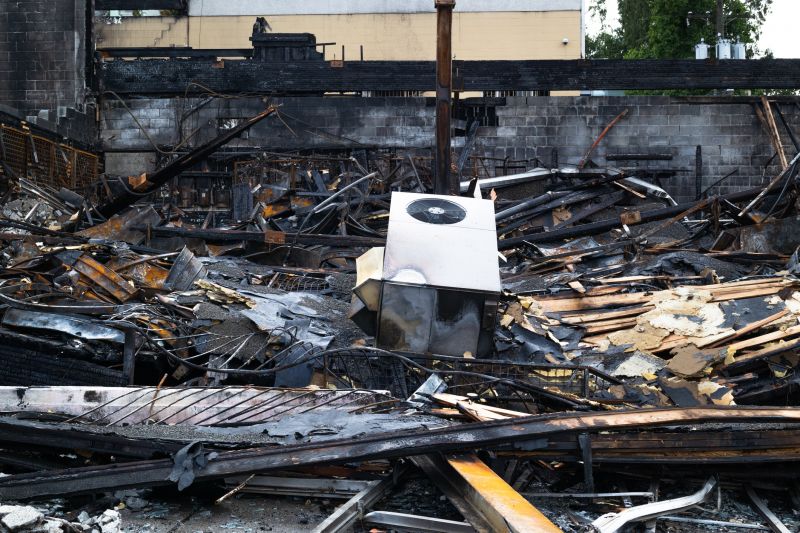
Popular materials for Fire Restorations and why they hold up over time.
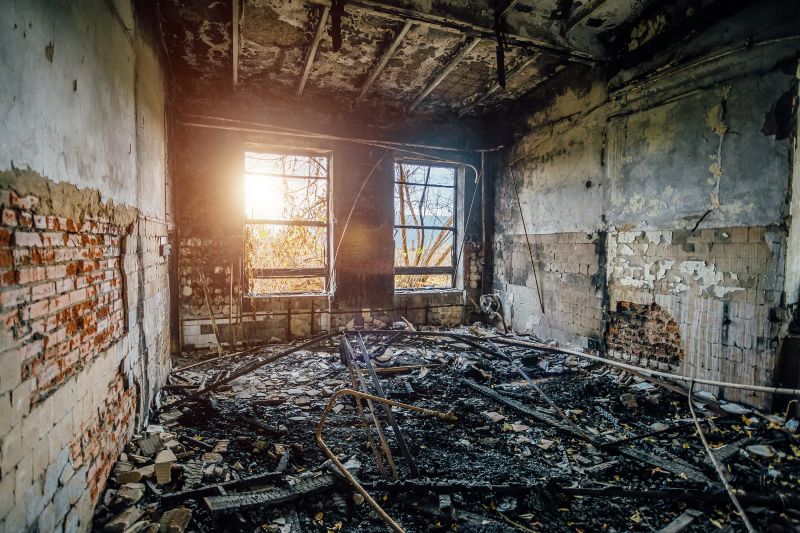
Simple add-ons that improve Fire Restorations without blowing the budget.
| Factor | Implication |
|---|---|
| Season | Dry months are preferable for effective restoration. |
| Humidity | Lower humidity reduces mold risk and speeds up drying. |
| Weather Stability | Consistent weather conditions improve restoration outcomes. |
| Property Damage Extent | More extensive damage may require longer, carefully timed restoration. |
| Emergency Response | Immediate response is vital, but timing affects overall effectiveness. |
| Scheduling Availability | Off-peak seasons may offer more flexible scheduling options. |
Fire restorations encompass a range of procedures including soot and smoke removal, structural repairs, and cleaning. Proper timing enhances the effectiveness of these processes, ensuring thorough cleanup and minimizing secondary damage. Accurate assessment and planning are essential to align restoration efforts with optimal environmental conditions, ultimately leading to better outcomes for property recovery.
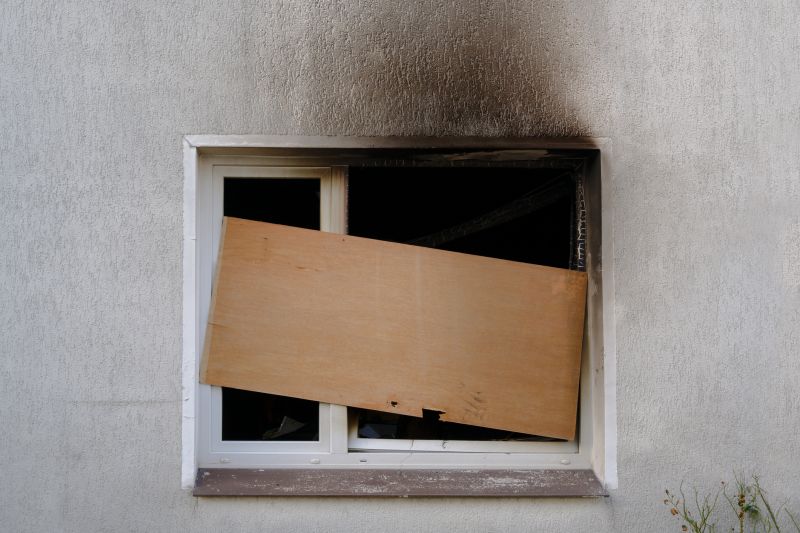
Removing smoke residues from surfaces and ventilation systems.
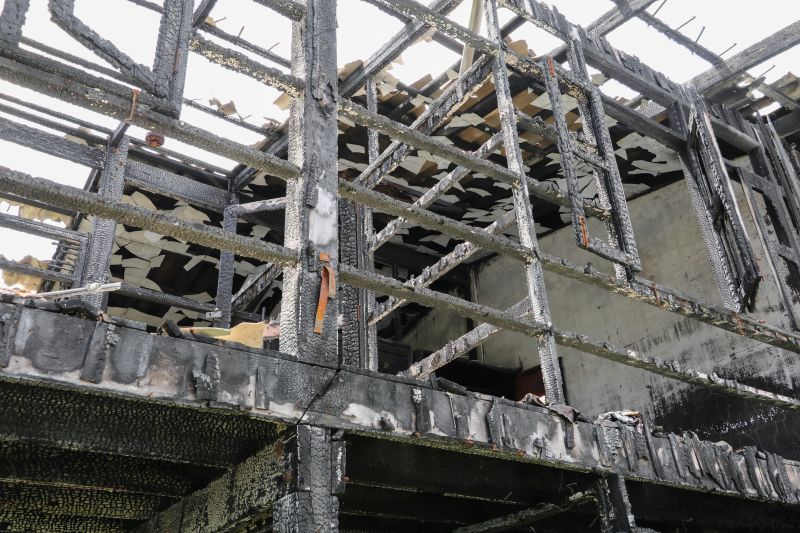
Restoring damaged frameworks and building components.
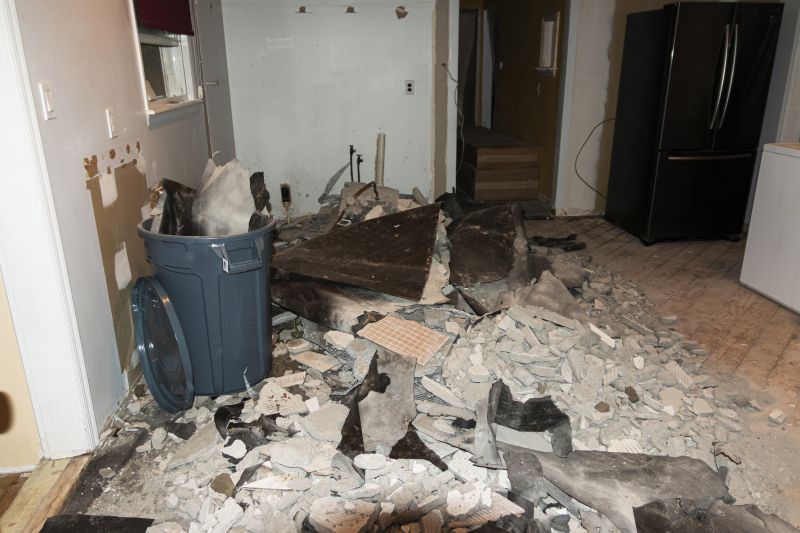
Applying advanced methods to eliminate lingering fire odors.
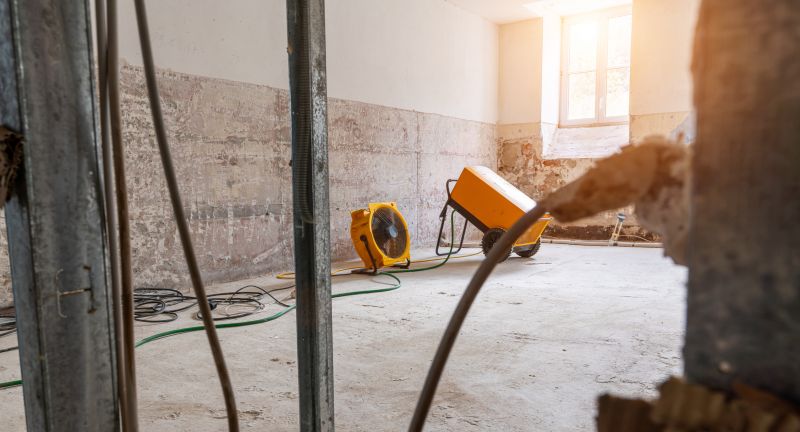
Drying and dehumidifying affected areas to prevent mold.
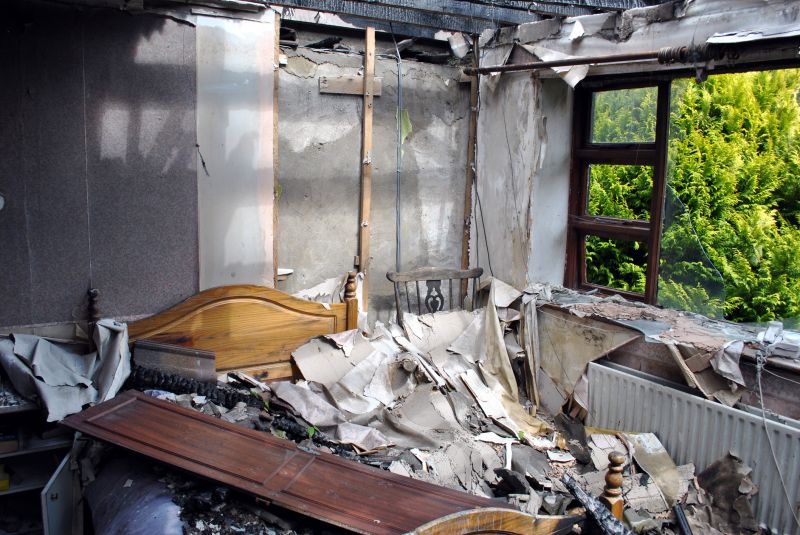
High-end options that actually feel worth it for Fire Restorations.

Finishes and colors that play nicely with Fire Restorations.

Little measurements that prevent headaches on Fire Restorations day.

A 60-second routine that keeps Fire Restorations looking new.
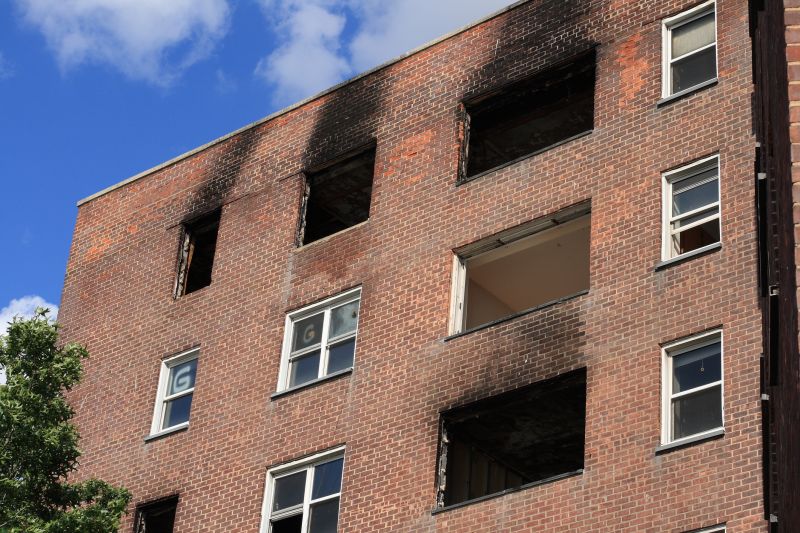
A frequent mistake in Fire Restorations and how to dodge it.

Small tweaks to make Fire Restorations safer and easier to use.
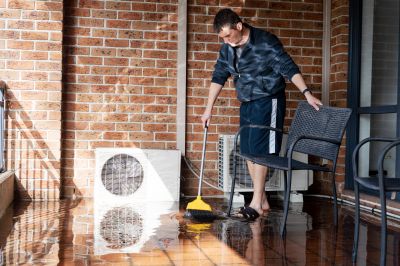
Lower-waste or water-saving choices for Fire Restorations.
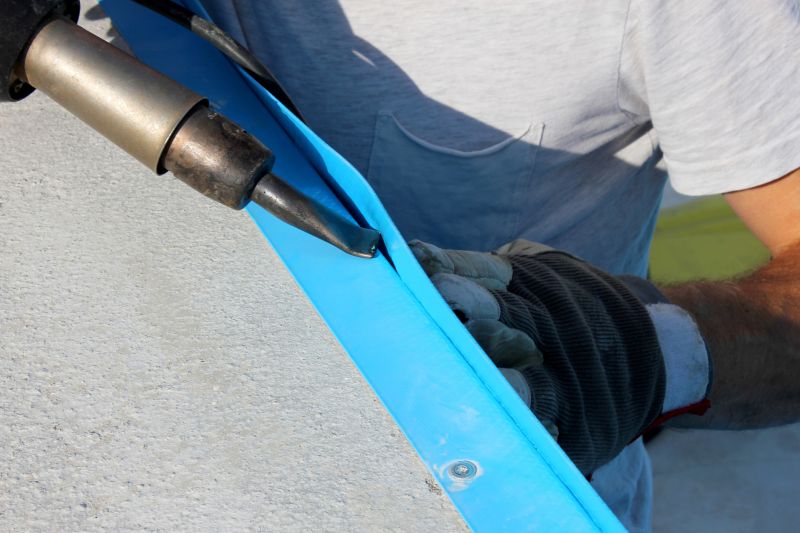
The short, realistic tool list for quality Fire Restorations.
Understanding the timing for fire restorations is crucial for effective recovery. By considering seasonal weather patterns, humidity levels, and the extent of damage, property owners can ensure that restoration efforts are both timely and successful. Properly scheduled restorations help mitigate secondary damages, reduce costs, and restore the property to its pre-fire condition efficiently.